

Spaces That Shape Your Mood: The Psychological Effects of Your Living Space
Our living spaces not only affect our physical comfort but also have a direct impact on our psychological well-being. From color choices to material selection, lighting arrangements to spatial organization, numerous elements influence our mood and mental processes. Let's recall Winston Churchill's famous quote: "We shape our buildings, and afterwards, they shape us." So, how can conscious interior design guide our psychology?
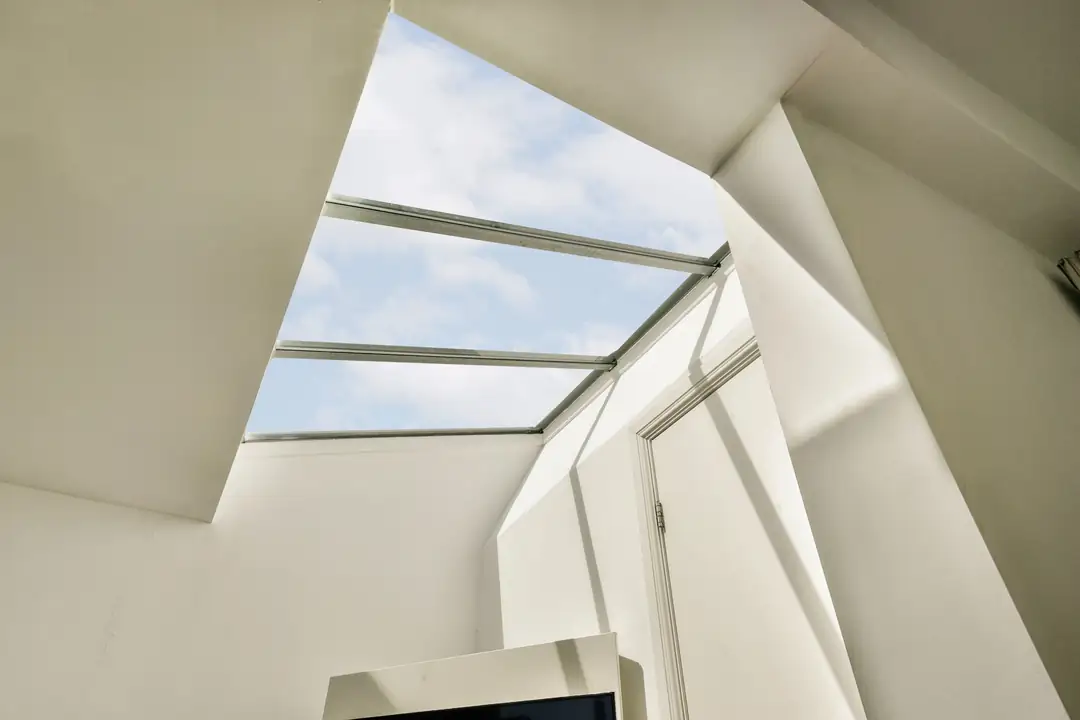
Spatial perception can directly influence an individual's mental state. John C. Baird's 1978 study showed that people perceive high-ceilinged spaces as more airy and liberating, while low-ceilinged spaces are seen as more intimate but sometimes overwhelming. Similarly, a 2015 fMRI study by Oshin Vartanian and his team revealed that high-ceilinged spaces increase brain activity, supporting a sense of exploration and creativity. Natural light-filled spaces boost serotonin levels, enhancing feelings of happiness, while dark and cramped areas can trigger symptoms of depression. Therefore, airy and well-lit spaces have a positive effect on a person's overall mood.
The psychological impact of colors is one of the most important factors that should not be overlooked in interior design. Colors trigger specific emotional responses in our subconscious, and certain shades relax the mind, while others stimulate brain activity. For instance, blue and green tones reduce cortisol levels, creating a sense of tranquility and calmness. On the other hand, warm tones like red increase heart rate, creating a sense of dynamism and energy. This is why warm colors are more commonly used in restaurants and social spaces. In general, colors found frequently in nature (earth tones, greens, and blues) increase feelings of trust and calm in the human brain, while overly bright colors have a stimulating effect. When examining the effects of colors, it is also important to consider cultural factors.
Have you noticed the increasing use of natural materials in modern architecture? The reason behind this lies in the psychological impact known as the biophilic principle. A 2017 study conducted by Xi Zhang and his team at Shanghai Jiao Tong University found that environments with wooden surfaces reduced stress levels and helped individuals feel more at ease. This is rooted in an evolutionary reality: the human brain is biologically attuned to spending time in nature. Spaces enriched with wood, stone, water elements, and plants strengthen our connection to nature and create a sense of security in our subconscious. Additionally, a 1984 study by Roger Ulrich found that patients with hospital room windows offering views of nature healed faster and required less pain medication. Therefore, using wooden surfaces, plants, and natural light in interior spaces is not just a decorative element but a psychological necessity.